The Homeowner’s Guide to Air Conditioning Maintenance
Air conditioning has a strange public image. When it works, nobody praises it. When it fails, it becomes the villain in a sweaty domestic drama starring you, a lukewarm glass of water, and the thermostat you keep pressing as if it owes you money.
The truth is less theatrical but more useful: most air conditioning breakdowns do not arrive out of nowhere. They build slowly. A dirty filter. A coil wearing a sweater made of dust. A drain line quietly growing slime like it has ambitions. A weak capacitor, a refrigerant leak, an outdoor unit boxed in by mulch and good intentions. By the time the system quits on the hottest Saturday of the year, it has usually been dropping hints for months.
Good air conditioning maintenance is not glamorous, but neither is mopping up water under an indoor unit at 9:30 p.m. The point is not to turn you into an air conditioning contractor. The point is to help you understand what your system needs, what you can safely do yourself, when to call an air conditioning repair service, and how to keep the machine from aging like unrefrigerated potato salad.
The two halves of your cooling system
Most central air conditioning systems have an indoor side and an outdoor side. The indoor side usually includes the evaporator coil, blower, air filter, and condensate drainage. The outdoor side contains the condenser coil, compressor, fan motor, capacitor, contactor, and a few other parts that prefer not to be poked by curious homeowners.
These two halves move heat. That is the important idea. Air conditioning does not create cold in the way a magician pulls a rabbit from a hat. It removes heat from inside the house and dumps it outdoors. Refrigerant circulates between the indoor and outdoor coils, changing pressure and temperature as it goes. The indoor coil gets cold enough to absorb heat and remove humidity from the air. The outdoor coil releases that heat outside, where it joins the general summer unpleasantness.
This is why airflow matters so much. When people think about air conditioning repair, they often imagine the refrigerant side first. In the field, airflow problems are everywhere. A clogged filter, closed registers, crushed ductwork, dirty blower wheel, or matted condenser coil can make a perfectly decent system behave like a tired window fan.
The homeowner’s maintenance job is mostly about keeping air moving, water draining, electrical parts protected, and the system clean enough to do its work without gasping.
The filter: cheap, boring, and wildly important
If air conditioning maintenance had a mascot, it would be the filter. Not a heroic mascot. More like a sensible accountant with allergies.
A filter protects the equipment and improves indoor air quality, but its biggest job is to keep dust from building up on the blower and evaporator coil. Once that coil gets dirty, you lose efficiency, comfort, and eventually money. A dirty coil can also ice up, and then your air conditioner becomes a very expensive popsicle.
Filter replacement frequency depends on the home. The old “change it every three months” advice is not wrong, exactly, but it is about as precise as saying dinner should be cooked “until food happens.” A small home with one tidy adult and no pets may go two or three months. A busy house with kids, dogs, remodeling dust, candles, and a return grille near the floor may need a new filter every month.
The filter type matters too. Some homeowners buy the thickest, highest-rated filter they can find, thinking they are doing the system a favor. Sometimes they are. Sometimes they are slowly suffocating the blower. High-MERV filters capture smaller particles, but they can also create more resistance to airflow, especially in older systems or undersized return ducts. If your system sounds louder, runs longer, or struggles after you switch filters, do not ignore it. That “premium” filter may be acting like a velvet rope at a nightclub, except the air is the customer and nobody is getting in.
If you are unsure, ask during an air conditioning tune-up what filter rating your system can handle. A good technician should be able to talk about airflow without making it sound like a wizard’s guild secret.
What homeowners should do regularly
A homeowner can prevent a surprising amount of trouble without tools, bravado, or a heroic disregard for electrical safety. The goal is not to dismantle the machine. The goal is to keep its surroundings and basic maintenance items under control.
Here is the short version worth taping inside a utility closet door, preferably not with the same tape holding together your dryer vent from 2009:
- Check the air filter monthly during cooling season, and replace it when it looks loaded with dust rather than waiting for a calendar date.
- Keep at least 18 to 24 inches of open space around the outdoor condenser, trimming shrubs and clearing leaves, cottonwood fluff, grass clippings, and mulch.
- Make sure supply and return vents are open and not blocked by rugs, furniture, curtains, toy bins, or the mysterious chair nobody sits in.
- Look at the condensate drain area occasionally for water stains, algae buildup, or a pan that is holding water when it should be dry.
- Listen for new noises, new odors, short cycling, weak airflow, or rooms that suddenly feel different than the rest of the house.
That is one of the few lists you need. Most other maintenance is judgment, observation, and knowing when a screwdriver becomes a bad idea.
Outdoor condenser care without accidentally declaring war on it
The outdoor condenser has a rough life. It sits in heat, rain, pollen, leaves, pet traffic, lawn equipment shrapnel, and occasionally the full blast of a dryer vent someone aimed in its direction. It deserves a little attention.
Start with clearance. Air has to enter through the sides and discharge out the top. When shrubs grow too close, the condenser breathes its own hot exhaust air, and efficiency drops. The compressor runs hotter, pressures rise, and the system works harder to do less. It is the mechanical equivalent of jogging in a wool coat.
Grass clippings are another common culprit. If you mow with the discharge chute pointed at the condenser, the coil will collect a felt-like layer of yard confetti. Over time, that layer blocks airflow. If you can see debris on the outer coil fins, gently rinse it with a garden hose from the outside. Use low pressure. This is not a sidewalk. A pressure washer can bend fins and turn a simple cleaning into an expensive lesson.
Be careful around the electrical disconnect and refrigerant lines. If the unit has obvious damage, a loud buzzing, burnt smell, or fan that does not start, stop there. Outdoor units contain high-voltage components and capacitors that can hold a charge. That is not a metaphorical “zap.” That is a real electrical hazard, the kind electricians and HVAC technicians are trained to respect.
If the condenser sits on a pad that has sunk over the years, a slight tilt is not always a catastrophe, but a severe lean can stress refrigerant lines and affect drainage in some units. Mention it during a service visit. Do not try to lift the unit yourself unless you enjoy turning small problems into plumbing, electrical, and refrigerant problems at the same time.
The indoor coil and the quiet problem of dust
The evaporator coil is usually hidden inside the air handler or furnace cabinet. Homeowners rarely see it, which is part of the problem. A coil can get dirty for years before anyone notices. Dust slips past poor filter racks, gaps, bypass air, or neglected filters. Once it reaches the damp coil, it sticks.
A dirty evaporator coil reduces heat transfer. The air leaving the vents may feel less cool. The system may run longer. Humidity removal may suffer. In severe cases, the coil freezes. People often discover this when airflow drops to a whisper, the house warms up, and ice appears on the refrigerant line near the indoor unit.
If you see ice, turn the system off and set the fan to on if it is safe to do so. Let the ice melt before a technician arrives. Do not chip at it with a screwdriver unless your secret goal is to puncture a coil and buy a bigger problem. Ice can come from a dirty filter, low refrigerant, a dirty coil, blower issues, or duct restrictions. The ice itself is the symptom, not the diagnosis.
A professional air conditioning tune-up should include checking temperature split, blower operation, coil condition where accessible, refrigerant pressures or system performance indicators, and drainage. Not every coil can be fully inspected without opening panels, and not every system gives easy access. That is one reason good installation practices matter. A beautifully maintained machine trapped behind drywall and hope is still a headache.
Condensate drains: where slime becomes a plumbing issue
Air conditioners remove moisture from indoor air. That water collects on the evaporator coil, drips into a pan, and flows through a condensate drain. On a humid day, a residential system can remove many gallons of water. That is normal. What is not normal is water dripping through a ceiling, pooling around the air handler, or triggering a float switch that shuts the system off.
Condensate drains clog with algae, sludge, rust flakes, insulation debris, and whatever microscopic swamp creature enjoys PVC pipe. A little routine attention goes a long way. If your drain has an accessible cleanout, a technician may recommend periodic flushing. Some homeowners pour a small amount of approved cleaner or vinegar into the line, but follow manufacturer and contractor guidance. Bleach is sometimes used, but it can be hard on certain components and may not be appropriate for every setup.
If the air handler is in an attic, take water management seriously. A clogged drain up there can become a ceiling repair, an insulation problem, and a family discussion conducted in tones normally reserved for courtroom dramas. Secondary drain pans and float switches are cheap compared with drywall replacement.
This is also where trades overlap. A blocked condensate drain is technically part of the HVAC system, but drain cleaning habits and plumbing leak repair instincts matter. If the condensate line ties into a household drain and the problem is downstream, a plumber may need to get involved. The same house that needs air conditioning maintenance may also have a slow bathroom sink, a water heater repair waiting in the wings, or a main line that will someday demand rooter service or hydrojetting. Homes are not tidy little categories. They are ecosystems with invoices.
Refrigerant: not something you “top off” for fun
Refrigerant is not fuel. An air conditioner should not consume it. If the system is low on refrigerant, there is a leak or a prior charging problem. Adding refrigerant without finding the reason may buy time, but it is not maintenance. It is more like putting air in a tire with a nail in it and saying the car has been healed.
Low refrigerant can reduce cooling, raise energy use, cause coil icing, and damage the compressor. A proper diagnosis involves measuring system performance, checking pressures and temperatures, inspecting for leak indicators, and understanding the equipment. The correct charge depends on system design, line set length, metering device, indoor airflow, and outdoor conditions. It is not a vibes-based procedure.
Refrigerant handling is regulated, and homeowners should not attempt it. If someone says your system “just needs a pound every year,” ask where it is going. There are cases where an older system has a very slow leak and a repair decision becomes a financial judgment, especially near the end of the equipment’s life. Still, the leak should be acknowledged honestly. Refrigerant does not evaporate out of politeness.
Electrical parts that fail before the whole system does
Air conditioners rely on a handful of electrical components that work hard in hot conditions. Capacitors help motors start and run. Contactors switch power to the outdoor unit. Fan motors and blower motors move air. Control boards, relays, transformers, and thermostats coordinate the operation.
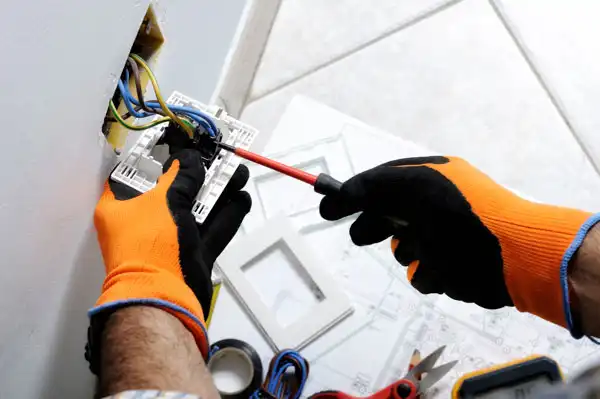
Capacitors are especially common failure points. A weak capacitor may cause a motor to struggle, hum, overheat, or fail to start. Sometimes the outdoor fan does not spin. Sometimes the compressor tries to start and trips off. A swollen capacitor is a visible clue, but capacitors can test bad without looking dramatic.
This is a good moment to say plainly: do not open electrical compartments unless you are qualified. Even with the disconnect pulled, parts can store charge. A trained electrician or HVAC technician understands how to test, discharge, and replace components safely. A homeowner with a screwdriver and a search result may get lucky. Luck is not a maintenance plan.
If lights dim sharply when the AC starts, breakers trip, or you smell burning near equipment, bring in a professional. Depending on the issue, you may need an air conditioning repair service, an electrician, or both. A reputable company with plumbing, heating, air, and electrical expertise, such as Service Lion Plumbing Heating Air Electric, can be useful in homes where the symptom does not arrive wearing a name tag.
Thermostats: small boxes, big confusion
A thermostat is not just a wall decoration with buttons. It tells the system when to run, and in some homes it also controls staging, fan operation, heat pump settings, humidity features, and scheduling. When a thermostat is poorly placed or badly configured, the whole house feels wrong.
Location matters. A thermostat near a sunny window, kitchen, exterior door, supply vent, or television can read temperatures that do not represent the living space. It may shut the system off too soon or run too long. I have seen thermostats placed above lamps, beside drafty stairwells, and once in a hallway that seemed designed by someone who believed air should not circulate there under any circumstances.
Smart thermostats can help reduce energy use, especially when schedules are realistic. But aggressive setbacks in humid climates can backfire. If you let the house get too warm and humid all day, the system may run for hours trying to recover, and comfort can still lag because humidity remains high. Air conditioning is about temperature and moisture. A thermostat only showing degrees is telling half the story.
If you have a heat pump, thermostat setup becomes even more important. Heat pump installation and configuration involve balance points, auxiliary heat settings, defrost controls, and sometimes outdoor temperature sensors. A misconfigured thermostat can run expensive backup heat more often than necessary or create comfort complaints that are not the equipment’s fault.
How often should you schedule an air conditioning tune-up?
For most homes, professional air conditioning maintenance once a year is sensible. The best time is before heavy cooling season, often spring or early summer depending on climate. If your system works year-round, as in warm regions or heat pump homes, twice-yearly service may be justified, once before cooling season and once before heating season.
A tune-up is not magic dust sprinkled over the condenser. It should include inspection, cleaning, testing, and documentation. The technician should look for early signs of failure and explain what matters now versus what can wait. Good maintenance is partly mechanical and partly communication.
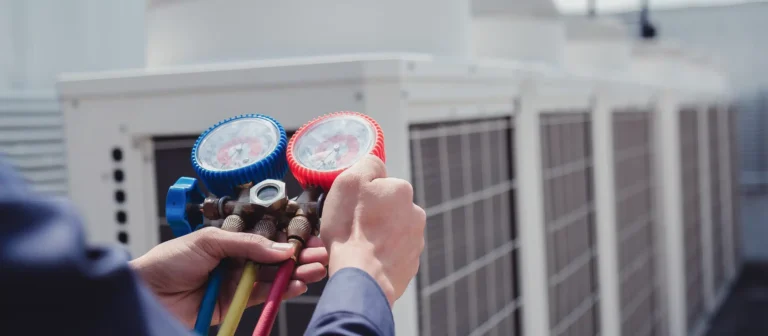
A proper visit may include checking electrical connections, testing capacitors, measuring voltage and amperage, cleaning condenser coils if needed, inspecting contactors, checking refrigerant performance, verifying temperature split, inspecting filters and blower components, checking condensate drainage, testing thermostat operation, and looking over accessible ductwork. The details vary by equipment type.
What you do not want is the five-minute “everything looks good” visit from a person who never removed a panel. You also do not want a theatrical sales performance where every system over eight years old is treated as a historical artifact. Good contractors live in the middle. They can tell the difference between a tired capacitor worth replacing now and a compressor that may run for years if treated kindly.
The maintenance visit, translated into homeowner language
During a service call, technicians may mention superheat, subcooling, static pressure, temperature split, microfarads, amp draw, and contactor pitting. These are useful terms, not attempts to summon a mechanical dragon. Still, you do not need to become fluent overnight.
What you do need is enough understanding to ask better questions. If a capacitor is weak, ask how far out of range it tested and what symptoms it could cause. If refrigerant is low, ask whether a leak search is recommended and what the options are. If airflow is poor, ask whether the filter, ductwork, blower wheel, or coil is the likely restriction. If the technician says the system is old, ask what specifically is failing or inefficient.
Age matters, but condition matters too. A 14-year-old system that has been maintained, properly installed, and lightly used may be in better shape than a 7-year-old system that has been breathing drywall dust and running with a clogged filter since the last presidential administration.
Signs your AC needs repair rather than routine maintenance
Maintenance keeps a healthy system healthy. Repair fixes a fault. The line between them can blur, but certain symptoms deserve prompt attention.
Call for air conditioning repair if the system blows warm air, runs constantly without cooling, turns on and off rapidly, makes grinding or screeching noises, trips breakers, leaks water, freezes up, or produces a burning smell. Weak airflow throughout the house is also a warning, especially if changing the filter does not help.
Short cycling is especially hard on equipment. When a system starts and stops too frequently, motors and compressors take extra stress. The cause might be a thermostat issue, refrigerant problem, oversized equipment, clogged filter, dirty coil, faulty control, or drainage safety switch. Some causes are simple. Some are not. Ignoring it because the house is “still sort of cool” is like ignoring a smoke alarm because the toast eventually stopped burning.
Uneven cooling can be trickier. One hot room does not always mean the air conditioner is failing. It may be duct design, insulation, sun exposure, attic heat, closed doors, leaky returns, or a room over a garage. Maintenance may improve it, but some comfort problems need ductwork changes, zoning, air balancing, insulation, or even a supplemental system.
Efficiency is not just about the box outside
Homeowners often judge cooling by the condenser age and SEER rating. Those matter, but the house itself can make or break performance. A high-efficiency air conditioner connected to leaky ducts in a blazing attic is like buying a fancy coffee and pouring half of it into your shoe.
Duct leakage can waste a surprising amount of conditioned air. Return leaks can pull in attic dust and hot air. Water heater installation Supply leaks can cool the attic instead of the bedrooms. Poor insulation and air sealing let heat sneak in all day. Old windows, unshaded west-facing glass, and attic temperatures high enough to roast almonds all add load.
This matters because maintenance cannot fully overcome a building problem. If your AC is clean, correctly charged, and mechanically sound but still cannot satisfy the thermostat on hot afternoons, the system may be undersized, the ducts may be poor, or the house may have gained heat load over time. New roofing, additions, converted garages, removed shade trees, extra electronics, or changed occupancy can all affect comfort.
A thoughtful heating contractor or air conditioning contractor should look beyond the machine when the complaint points beyond the machine. Sometimes the best comfort improvement is not a new condenser. Sometimes it is sealing ducts, adding return air, improving attic insulation, installing better ventilation, or addressing airflow to a chronically hot room.
Maintenance for heat pumps, furnaces, and hybrid systems
Not every cooling system is a straight AC paired with a furnace. Heat pumps provide cooling in summer and heating in winter by reversing the refrigerant cycle. Their maintenance overlaps with air conditioning maintenance but adds heating-season concerns. Defrost operation, outdoor coil condition in winter, auxiliary heat, reversing valves, and thermostat programming all matter.
If your home has a gas furnace with central air, the indoor blower serves both heating and cooling. A dirty blower wheel can hurt AC performance in summer and furnace performance in winter. Furnace repair service and AC service are often connected because they share cabinets, controls, filters, and airflow pathways.
Gas equipment adds another safety layer. Combustion, venting, gas pressure, heat exchangers, and carbon monoxide concerns belong in professional hands. If you need gas installation service, furnace repair, or changes near combustion appliances, do not improvise. A cooling complaint can expose a broader mechanical issue, especially in older utility rooms where decades of “good enough” repairs have formed a kind of archaeological exhibit.
When replacement enters the conversation
Nobody enjoys hearing that replacement may be smarter than repair. It has the emotional charm of finding out your car needs a transmission while you are still holding the grocery receipt. Still, sometimes replacement deserves a fair look.
Consider system age, repair cost, refrigerant type, compressor condition, coil condition, energy use, comfort, and how long you plan to stay in the home. A minor repair on an older system may be perfectly reasonable. A major compressor repair on a very old, inefficient system with a known leak may not be. The math changes with local utility costs, climate, rebates, and household budget.
Be cautious with simple rules like “replace if repair is more than half the cost of a new system.” That can be a useful starting point, not a law of nature. A family planning to sell next year may make a different decision than one settling in for fifteen years. A homeowner with medical needs or heat sensitivity may value reliability more heavily. A landlord may prioritize durability and service access. Context matters.
If you do replace, installation quality is everything. Equipment sizing, duct compatibility, refrigerant line condition, drainage, electrical work, thermostat setup, airflow, commissioning, and permits all affect the result. A better unit installed badly is just a shinier disappointment.
The overlooked neighbors: plumbing, drains, water heaters, and electrical systems
Air conditioning does not live alone. It shares space with plumbing, wiring, gas lines, water heaters, sump pumps, and sometimes a laundry room that appears to have been arranged during a minor earthquake.
That is why a service visit can uncover unrelated problems. A technician changing a filter may notice water beneath a water heater. An HVAC repair may reveal an overloaded electrical circuit. A condensate issue may trace to a clogged drain. A utility closet may show signs that plumbing repiping, water softener installation, or water heater installation should be planned before failure makes the schedule for you.
Homes with septic systems need extra thought about drainage and water use, though AC condensate is usually not the main septic concern. Still, any contractor working around drains should understand where water is going. If a condensate line is improperly tied in, poorly trapped, or draining somewhere foolish, it can create odors, backups, or moisture damage.
Lighting contractors and electricians also enter the picture when homeowners renovate spaces around mechanical equipment. I have seen beautiful basement remodels that boxed in access panels so tightly a technician needed the flexibility of a circus performer to service the air handler. Leave working room. Future you will appreciate it, and so will the person holding the tool bag.
What not to do, even if a video made it look easy
The internet is full of confident people doing questionable things with machinery. Some advice is helpful. Some advice seems designed to sell replacement parts and emergency room visits.
Do not bypass safety switches to keep the system running. A float switch that shuts off the AC because the drain pan is full is not being dramatic. It is preventing water damage. Do not keep resetting a breaker. Breakers trip for reasons, and repeated resetting can be dangerous. Do not add refrigerant sealers without understanding the consequences. Some sealers can complicate future repairs or damage recovery equipment. Do not tape over air leaks with ordinary cloth duct tape and expect it to last. Despite the name, duct tape is often terrible on ducts. Mastic or proper foil tape is the grown-up choice.

Do not close a bunch of vents to “push more air” to other rooms without considering static pressure. In some systems, closing too many vents increases duct pressure, reduces airflow, and stresses the blower. Balancing can help, but it should be done thoughtfully.
And please, do not plant thorny bushes around the condenser as a security strategy. Technicians already fight enough spiders, wasps, and mystery puddles. They do not need to negotiate with a hostile shrub.
A realistic seasonal rhythm
Air conditioning maintenance works best when it becomes a quiet habit rather than a crisis response. In early spring, walk around the outdoor unit, clear debris, check the filter, and schedule service before every contractor’s phone turns into a panic bell. During summer, keep an eye on airflow, drainage, and unusual sounds. After storms, check that branches, leaves, or flooding have not affected the outdoor unit. In fall, clear leaves away again and replace the filter before heating season.
If you have pets, remodeling work, nearby construction, or heavy pollen, shorten the filter interval. If your outdoor unit sits under cottonwood trees, congratulations, you have been selected for a seasonal coil-clogging subscription. Watch it closely. If your attic air handler lives in brutal heat, make sure drains and pans get attention before humidity season. If your system is older, keep records of repairs and measurements from maintenance visits. Trends matter. A capacitor declining over time, rising amp draw, recurring drain clogs, or repeated refrigerant additions tell a story.
A small notebook near the air handler works. So does a note in your phone. Write down filter dates, service dates, repairs, and odd symptoms. “AC made buzzing noise at startup twice this week” is useful. “House felt haunted by warm air” is colorful but less diagnostic, though I respect the mood.
The homeowner’s comfort test
Numbers are useful, but your body is part of the diagnostic process. You live in the house. You know which room always runs warm, how long the system used to take to cool down, and whether the air feels clammy. Pay attention when patterns change.
A typical central AC may produce supply air roughly 15 to 22 degrees cooler than return air under many normal conditions, though that range depends on humidity, airflow, system design, and test conditions. If your return air is 76 degrees and supply air is around 56 to 61 degrees, that may be normal. If supply air is barely cooler than room air, something is wrong. If it is extremely cold but airflow is weak, freezing or restriction may be developing. Do not treat these numbers as a final diagnosis, but they can help you describe the problem.
Humidity matters too. A house at 74 degrees and high humidity can feel worse than one at 76 degrees with good moisture removal. Oversized systems often cool quickly but do not run long enough to dehumidify well. Dirty coils, poor airflow, and fan settings can also affect moisture removal. If the system cools but the house feels sticky, mention humidity specifically during service. Otherwise someone may chase temperature and miss the real complaint.
Maintenance pays in boring ways, which are the best ways
The best outcome of air conditioning maintenance is nothing dramatic happening. No breakdown. No ceiling stain. No compressor funeral. No emergency call during a heat wave when half the neighborhood is also discovering the consequences of filter neglect.
Maintenance can lower energy use, extend equipment life, improve comfort, reduce surprise repairs, and catch safety issues. It will not make an ancient, badly installed system immortal. It will not overcome every duct problem or building flaw. It will, however, give your equipment a fighting chance and give you better information when decisions come due.
Think of it like dental care for your house. Brushing and cleanings do not guarantee you will never need a crown, but they greatly reduce the odds that someone will say, “Well, this is going to be expensive,” while holding a tiny mirror.
Your air conditioner is one of the hardest-working appliances you own. Treat it with modest regular attention, and it will usually return the favor by being forgettable. In the world of home comfort, forgettable is excellent. It means the rooms are cool, the drain is clear, the filter is clean, and nobody is standing in front of the thermostat bargaining with it like a tiny plastic oracle.
Name: Service Lion Plumbing Heating Air Electric
Address: 521 W Briardale Ave, Orange, CA 92865, United States
Phone: (657) 337-3622
Website: https://callservicelion.com/
Email: [email protected]
Hours:
Monday: Open 24 hours
Tuesday: Open 24 hours
Wednesday: Open 24 hours
Thursday: Open 24 hours
Friday: Open 24 hours
Saturday: Open 24 hours
Sunday: Open 24 hours
Open-location code: R48R+WV Orange, California, USA
Map/listing URL:
https://www.google.com/maps/search/?api=1&query=Google&query_place_id=ChIJQU4LBWHV3IARtnABtyykSA4
Google Map:
Socials:
https://www.facebook.com/ServiceLionCA/
https://www.youtube.com/channel/UCR_L35QzsRTxYZtX8PxJvPw
Local Service Information
Service Lion Plumbing Heating Air Electric provides plumbing, drain, heating, air conditioning, and electrical services from its Orange, California location.The company serves homeowners and properties throughout Orange and communities across Orange County and surrounding areas.
Available services include plumbing repairs, water heater work, drain and sewer services, heating and cooling service, electrical repairs, panels, lighting, outlets, and related home-system work.
Service is available for residential properties as well as light commercial needs described within the company's local service-area information.
The company's website emphasizes locally operated service, coordinated home-system support, and practical scheduling for plumbing, HVAC, and electrical needs.
The matching public business listing shows the Orange location as open 24 hours a day, seven days a week.
For service information or scheduling, call (657) 337-3622 or visit https://callservicelion.com/.
The public map listing identifies the business at 521 W Briardale Ave, Orange, CA 92865 and can be used for location and direction information.
Popular Questions About Service Lion Plumbing Heating Air Electric
What services does Service Lion Plumbing Heating Air Electric provide?
The company provides plumbing, drain and sewer, heating, air conditioning, and electrical services. Its published services include plumbing repair, water heaters, drain clearing, sewer work, HVAC repair and installation, electrical repairs, panels, circuit breakers, lighting, outlets, and related services.
Where is Service Lion Plumbing Heating Air Electric located?
The matching business location is 521 W Briardale Ave, Orange, CA 92865, United States.
What areas does Service Lion Plumbing Heating Air Electric serve?
The company serves Orange County and surrounding communities. Its published service-area information includes Orange, Anaheim, Brea, Yorba Linda, Fullerton, Huntington Beach, Newport Beach, Costa Mesa, Irvine, Lake Forest, and additional nearby cities.
Is Service Lion Plumbing Heating Air Electric open 24 hours?
The matching public business listing shows the location as open 24 hours on Monday through Sunday.
Does Service Lion Plumbing Heating Air Electric work on drains and sewer lines?
Yes. Published services include drain clearing, rooter service, camera inspection, hydro jetting, sewer line repair and installation, water line work, slab leak detection, and trenchless sewer line repair.
Does Service Lion Plumbing Heating Air Electric provide heating and air conditioning service?
Yes. Its published HVAC services include air conditioning repair and installation, heating service, furnace work, heat pumps, air ducts, indoor air quality assessments, and thermostat installation.
Does Service Lion Plumbing Heating Air Electric provide electrical service?
Yes. Published electrical services include repairs and installations, electrical panels, circuit breakers, safety inspections, lighting, outlets and switches, surge protection, generators, and EV charging equipment installation.
How can I contact Service Lion Plumbing Heating Air Electric?
Call (657) 337-3622.
Email: [email protected]
Website: https://callservicelion.com/
Facebook: https://www.facebook.com/ServiceLionCA/
Landmarks Near Orange, California
Old Towne Orange Historic District
A central historic district and useful geographic reference point for the Orange community.
Plaza Park
A well-known public gathering point in the center of Old Towne Orange.
Orange Public Library & History Center
A civic landmark serving residents near central Orange.
Hart Park
A major public park and recreation area south of central Orange.
Eisenhower Park
A public park serving neighborhoods in northern Orange.
Santiago Oaks Regional Park
A regional recreation and open-space landmark on the eastern side of Orange.
Irvine Regional Park
A large regional park and recognizable reference point east of the city.
Orange Park Acres
A distinctive residential community and service-area reference point in eastern Orange.
El Modena
An established Orange neighborhood that provides a practical local coverage reference.
Glassell Street
One of the city's principal north-south streets and a useful route through central Orange.
Lincoln Avenue
A major east-west roadway serving northern Orange and nearby communities.
State Route 55
A primary regional freeway connecting Orange with other parts of Orange County.